  | The Problem with Zoos
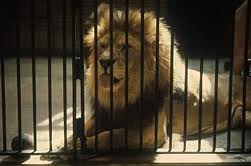
Despite claims made by the zoo society stating that zoos help protect endangered species, they are actually doing the opposite. Numerous amounts of wild animals held in zoos are getting more harm than benefits, especially carnivores. There are a lot of things that zoos are unable to teach animals in captivity. And without these lessons on the wild the chances of an animal surviving in the wild become slim to none. Animals being held in captivity need a lot more than being put in an enclosed area that looks like their native home. They need the lessons of the wild. This means that the animals that are herbivores need to know; how to protect themselves from predators, dead give a ways of a predator in close proximity (such as indicator animals like giraffes in Africa), and how to work together with their own species to evade predators. Also the carnivores need to learn; how to hunt, how to properly raise their offspring, and what animals to stay away from in the wild. These are valuable lessons that aren’t even touched on in zoos, nor are the animals given these lessons. Not only do zoos lack the teaching of basic survival in the wild they also cause behavioral issues to the captive animals. They become more aggressive than usual and react badly to slight environmental changes. Also the behavior of an animal in captivity will tend to differ greatly from the behavior of the same animal in the wild. This means that wild animals in captivity will develop unhealthy behaviors that will make them unfit to survive in the wild. Another important topic to tackle on in zoos is feeding. This is a very important issue considering feeding is a major part of an animal’s independence in the wild. Animals can’t be handed food throughout their entire lives, and that’s a proven fact with babies in the wild. The mother doesn’t just keep getting its offspring until the day it dies. At some point that baby is going to have to get food on its own in order for it to gain independence. An animal can simply not be fully dependent, even the herbivores that stay in groups. They must also rely on themselves for survival. On top of that breeding animals in captivity has been shown to be difficult to do. And when it is succeeded there is a risk of transmitting harmful diseases. On top of that in order to successfully restore a population a large enough gene pool must be achieved to avoid inbreeding that will lead to many premature deaths and birth defects. Basically zoos aren’t a very good conservation practice. They simply hinder the animal’s ability of survival rather than improve it. Animals that are raised in captivity and then thrown into the wild will lack the basic rules of it and will wind up as an easy picking for a predator if they are a herbivore, or as being ranked as the most inferior amongst their own species, or become extremely insufficient at hunting if they are a predator. Instead of trying to handicap endangered species by placing them in zoos, what needs to be done is decreasing the amount of destruction done to the habitats of these animals. Many of these corporations that participate in the demolishing of these environments fail to see that they could simply remodel old abandoned areas. That way these endangered species placed in zoos can have more living space than they do now. |
